
Blog · Brain Health
Non-Contact Boxing and Brain Health: What the Research Actually Says
Emily Mizer breaks down the science on sparring vs. bag work—and why non-contact boxing at Strong Martha keeps the fitness benefits without the head-impact risks.

Emily Mizer
March 12, 2025 · Owner & Coach, Strong Martha
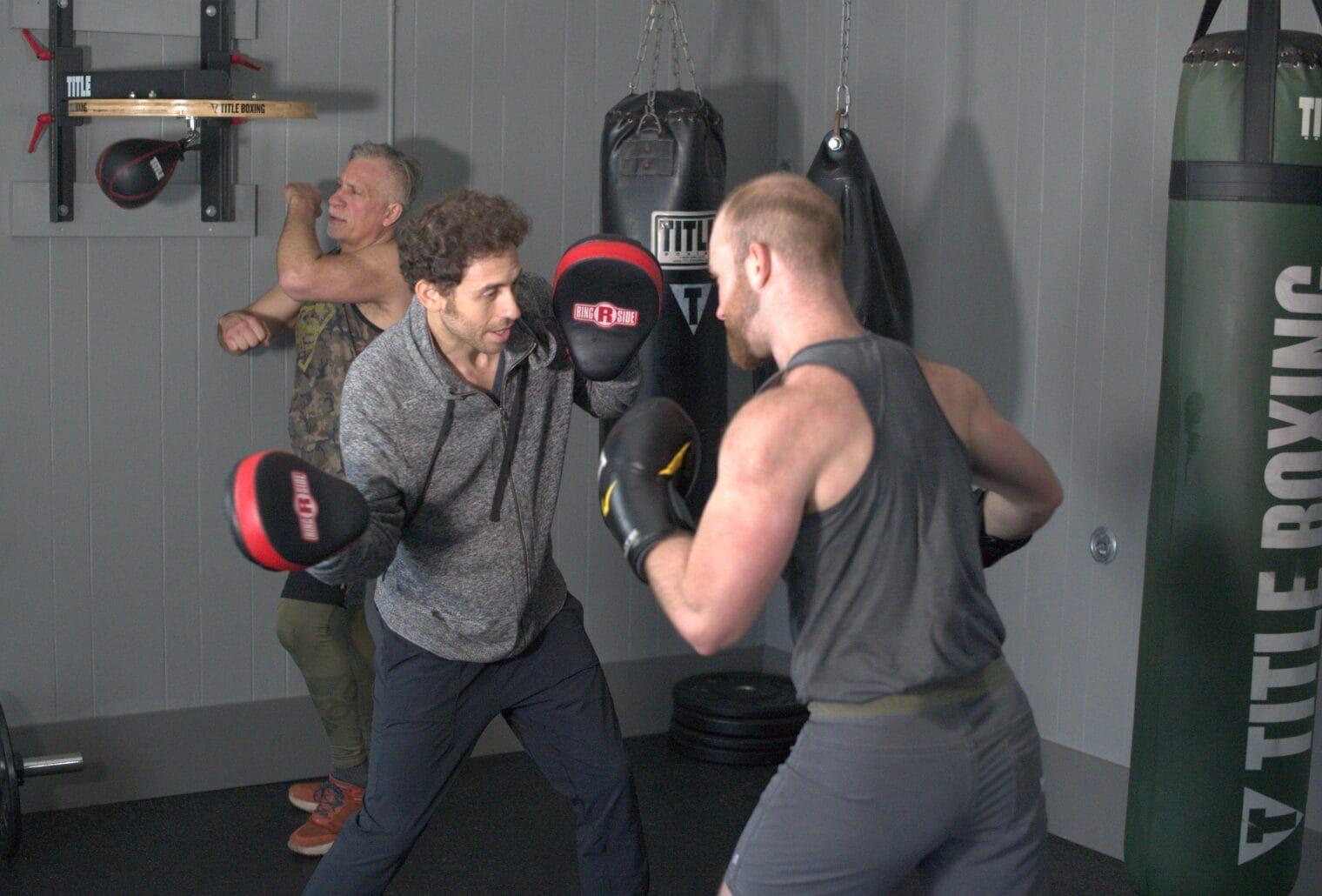
When people hear “boxing gym,” they sometimes picture two people trying to knock each other out. That's not what we do at Strong Martha—and it's not what most of the people walking through our door are looking for either.
I'm a coach, not a neurologist. But I read the research because my members ask smart questions, and because I've seen what thoughtful, non-contact boxing can do for coordination, confidence, and cardio. The science on head impacts vs. non-contact training is worth understanding.
Sparring and subconcussive impacts are a different sport
Several studies have looked at what happens to the brain after routine sparring—the kind of head-to-head contact you see in competitive boxing. A 2019 study in Frontiers in Human Neuroscience found that after a single sparring session, athletes showed temporary changes in brain-to-muscle communication and memory performance, with values returning toward baseline within 24 hours.
That's important context. It doesn't mean boxing is “bad.” It means contact sparring carries a different risk profile than the bag-and-pad work we emphasize for beginners, kids, and most adult members.
What non-contact training still gives you
When you remove head contact, you keep the parts of boxing that translate to everyday life: footwork, rhythm, reaction time, core strength, and the mental focus of learning combinations. Research on exergame and non-contact boxing interventions has also found improvements in executive function and processing speed in older adults—without anyone taking punches to the head.
- Bag and pad work builds power and conditioning without impact to the skull.
- Footwork drills train balance and proprioception—your body's sense of where it is in space.
- Learning combinations demands attention and working memory, which keeps the session mentally engaging.
- Partner drills at Strong Martha focus on mitts and movement, not trading blows.
How we apply this at Strong Martha
We reserve partner sparring for experienced boxers who explicitly opt in. Beginners, kids, and most members never get hit—and never hit anyone—in class. If you're nervous about brain injury, you're not being overly cautious; you're asking the right question. Non-contact boxing is the answer for most people who want the workout without the contact sport.